Benefits of Heat Pumps vs Air Conditioners in Kitchener-Waterloo
By Alex Habibi ·
Repair or replace. Heat pump or central air. Every homeowner facing a cooling decision run into the same wall of conflicting advice. One contractor says heat pumps handle Ontario winters simply fine. Another insists you'll need a backup furnace the moment temperatures drop. The internet splits the difference and says, "it depends." Here's what determines whether heat pumps vs. air conditioners makes sense for your home.
What Each System Does
A central air conditioner does one job. It removes heat from inside your home and pushes it outside, cooling the air that circulates back through your ducts. That's it. Once the outdoor temperature drops and heating season starts, the AC sits idle until next summer, doing nothing while your furnace handles all the heating work alone.
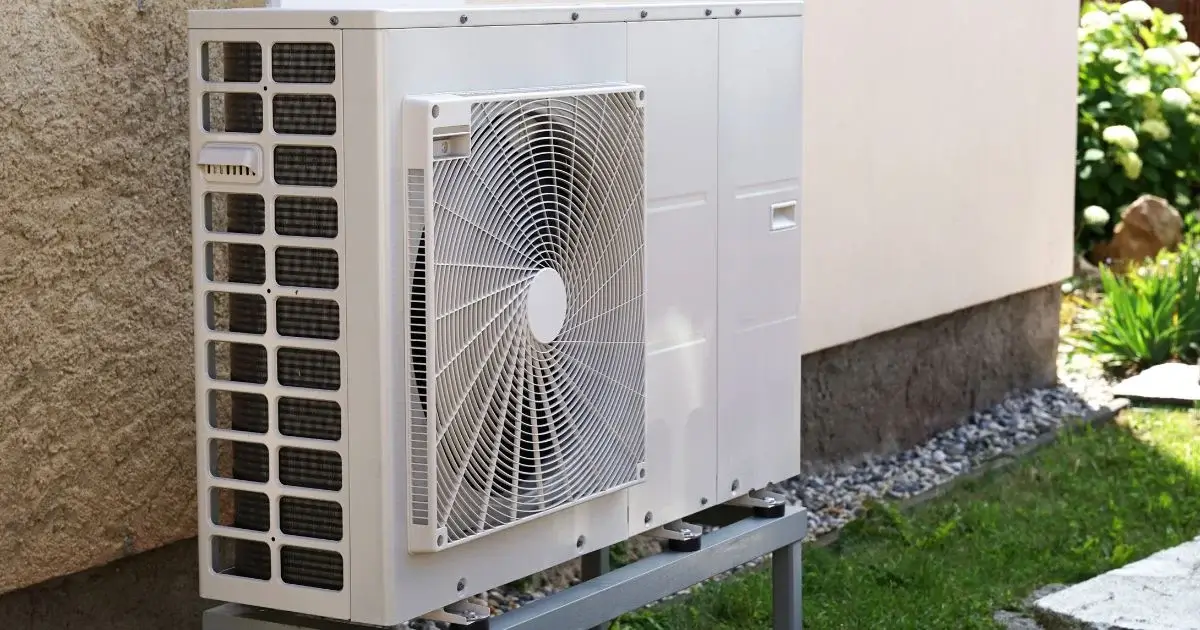
A heat pump does the same cooling job in summer, using the identical refrigeration cycle. The difference shows up in winter. Instead of shutting down, the heat pump reverses itself. It pulls heat from the outside air, even when that air feels cold to you, and moves it indoors to warm the house. That reversing valve is the entire distinction between the two technologies, and it's a relatively simple mechanical addition that changes what the system can do across an entire year.
This is the part that confuses most homeowners comparing the two. A heat pump and an air conditioner aren't separate technologies. How efficiently a heat pump cools compared to a standard AC comes down to nearly identical performance, because the cooling mechanism is the same hardware doing the same thing. The real question is whether you want one season of function or two, not which one cools your house better.
Comparing a Heat Pump to a Central Air Conditioner Here in Kitchener
For pure summer cooling, comparing a heat pump to a central air conditioner here in Kitchener largely comes down to one question. Do you want a system built for one season, or one built to carry your home through both heating and cooling?
That question shapes everything else in this decision, from upfront price to what happens to your existing furnace to how the installation crew approaches the job, since a heat pump install involves more electrical and refrigerant work than a standard AC swap.
It's also the first thing most homeowners ask about once they understand the basic trade off.
What a Heat Pump Costs Compared to a Central Air Conditioner
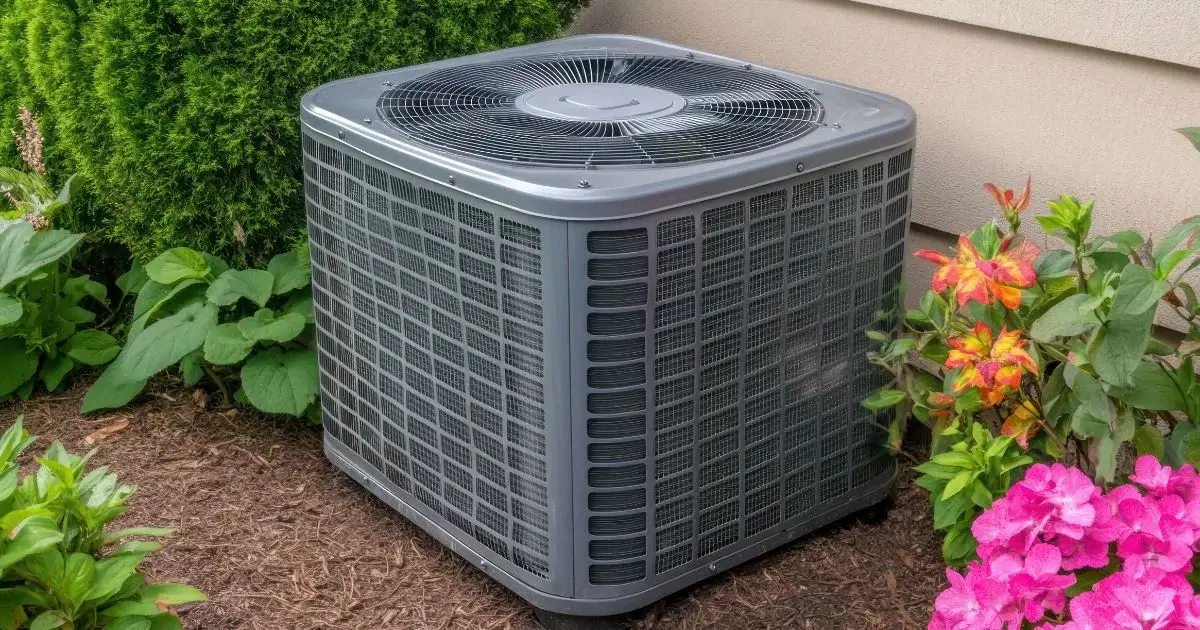
What a heat pump costs compared to a central air conditioner depends heavily on the size of your home and the specific system, but heat pumps generally run higher on installation because of the added components. A heat pump needs a more capable compressor, reversing valves, and refrigerant lines designed for both directions of operation, while a standard AC only ever moves heat one way. That added complexity shows up in the equipment price before a single tool gets used.
The trade-off is what happens after installation. A central AC requires you to keep your existing furnace running every winter on gas or oil, so that cost never goes away. A heat pump replaces a sizable portion of that furnace usage, sometimes most of it, depending on how cold your winters get and how the system is sized.
Over a 15-to-20-year equipment lifespan, lower heating bills can offset a real share of that higher upfront cost, though the exact payback period depends on your current fuel type and local energy rates.
Homes that pair a heat pump with their existing furnace, rather than fully replacing it, get the best of both setups. The heat pump handles cooling and most of the heating load. The furnace kicks in only when temperatures drop low enough that the heat pump needs backup.
That combination, often called a dual-fuel or hybrid system, is becoming more common across Waterloo Region as more homeowners look for ways to manage both energy costs and emissions. It also tends to be the lower-cost path for homeowners who already have a functioning furnace, since you're adding a heat pump rather than replacing two systems at once.
Whether Heat Pumps Work in Cold Climates
This is where the conflicting advice usually starts. Whether heat pumps work in cold climates depends entirely on which type of heat pump you're talking about, and that distinction gets lost in most conversations.
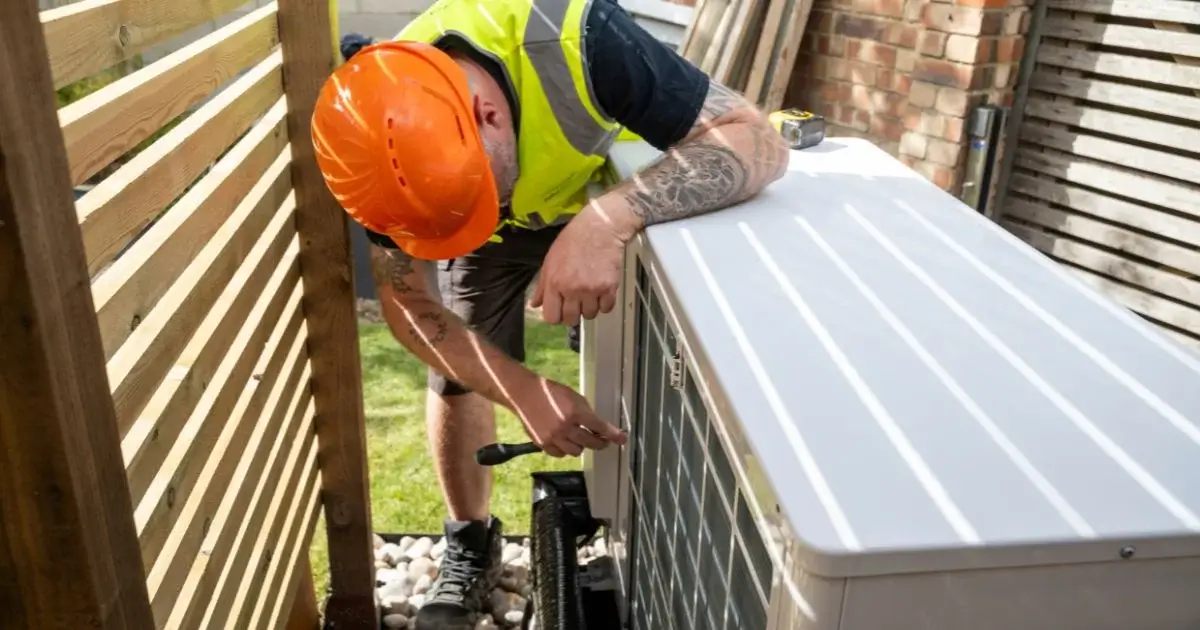
Standard air-source heat pumps need supplemental heating once outdoor temperatures fall between -10°C and -15°C. Below that range, a backup source, usually an electric furnace, baseboard heater, or your existing gas furnace, must carry the heating load. That's a known performance threshold built into the equipment, and it's the reason a standard heat pump alone isn't always the right call for a Southern Ontario winter.
Cold-climate heat pumps are a different category entirely. Natural Resources Canada's list of eligible cold-climate heat pump systems confirms these units are built for harsh Canadian conditions and can operate down to -30°C before needing supplemental heating, which covers nearly every winter night this region sees. That single distinction, standard versus cold climate, is the most crucial factor in this whole decision, and it's the one most sales conversation skip past.
Whether a Heat Pump Is Worth It in Ontario's Climate
Once you know which type of heat pump you're evaluating whether a heat pump is worth it in Ontario's climate becomes a question of efficiency and long-term cost rather than whether the technology can survive winter here.
Standard air-source heat pumps run up to 2.5 times more efficient than an oil furnace, while cold-climate models reach efficiencies up to 3 times higher. That efficiency comes from the basic physics involved. Heat pumps transfer existing heat rather than generating new heat from burning fuel, which uses far less energy for the same result. ENERGY STAR certified air-source heat pumps also use about 5% less energy on average than a standard model, a gap that adds up over a 15-to-20-year equipment lifespan.
For homes currently heating with electric baseboards or oil, the case is usually clear-cut. Switching to a heat pump tends to cut both energy use and emissions significantly, since electric resistance heat is one of the least efficient ways to warm a home and oil carries both higher fuel costs and more maintenance demands.
For homes already running an efficient natural gas furnace, the math gets closer, and the right answer depends on your specific energy rates, how the system would be sized, and whether you're planning to pair it with your existing furnace or replace it outright.
Handling Both Heating and Cooling for a Waterloo Region Home
There's a sizing question that matters more than most homeowners realize. Handling both heating and cooling for a Waterloo Region home means accounting for this region's specific climate swings, not just peak summer temperatures.
A heat pump sized only for summer cooling will likely underperform in winter. A heat pump sized only for the coldest stretch of January risks short cycling during milder weather since it'll be oversized for typical conditions most of the year. Getting that balance right takes a proper load calculation, not a rule-of-thumb estimate based on square footage alone.
Under sizing or oversizing either direction leads to higher costs and a less comfortable home, regardless of how efficient the equipment rating looks on paper. This is also where ductwork condition matters. Older KW homes with undersized return vents can struggle to distribute heat pump output evenly, even when the unit itself is correctly sized.
If your furnace shows signs it needs professional cleaning or your ductwork hasn't been inspected in years, that's worth addressing before or alongside a heat pump installation, since airflow problems will undercut performance no matter which system you choose.
Making the Actual Decision
There isn't a universal right answer here, and anyone who tells you otherwise is skipping details that matter for your specific home. Going the dual-fuel route covers both seasons without replacing equipment that still works. A basic central AC paired with a furnace you're already happy with might be the more cost-effective choice if your current heating costs are already reasonable.
What tips the decision is usually the age and condition of what you already have. A furnace nearing the end of its service life changes the math toward a heat pump, since you're replacing equipment either way and adding heating capability costs less than buying it separately later. A furnace with years of life left, paired with rising cooling needs, might point toward adding a basic AC instead and revisiting the heat pump question when that furnace eventually needs replacing.
Your home's specific layout matters too. A bungalow with simple, accessible ductwork is a more obvious heat pump candidate than a century home with additions built on at different points over the decades. Homes with consistent insulation and properly sized ductwork tend to see the cleanest results from a heat pump conversion, while homes with known airflow issues benefit from addressing those first, regardless of which cooling and heating system ends up running through them.
Either path benefits from understanding how to reduce heating bills without sacrificing comfort, since efficiency gains compound regardless of which system you land on.
Three contractors can give three different answers on this. Contact us for a proper assessment of your home's actual heating and cooling needs. Call 519-741-5100, serving Waterloo Region.