
Is a Tankless Water Heater Worth it in Ontario?
By Alex Habibi ·
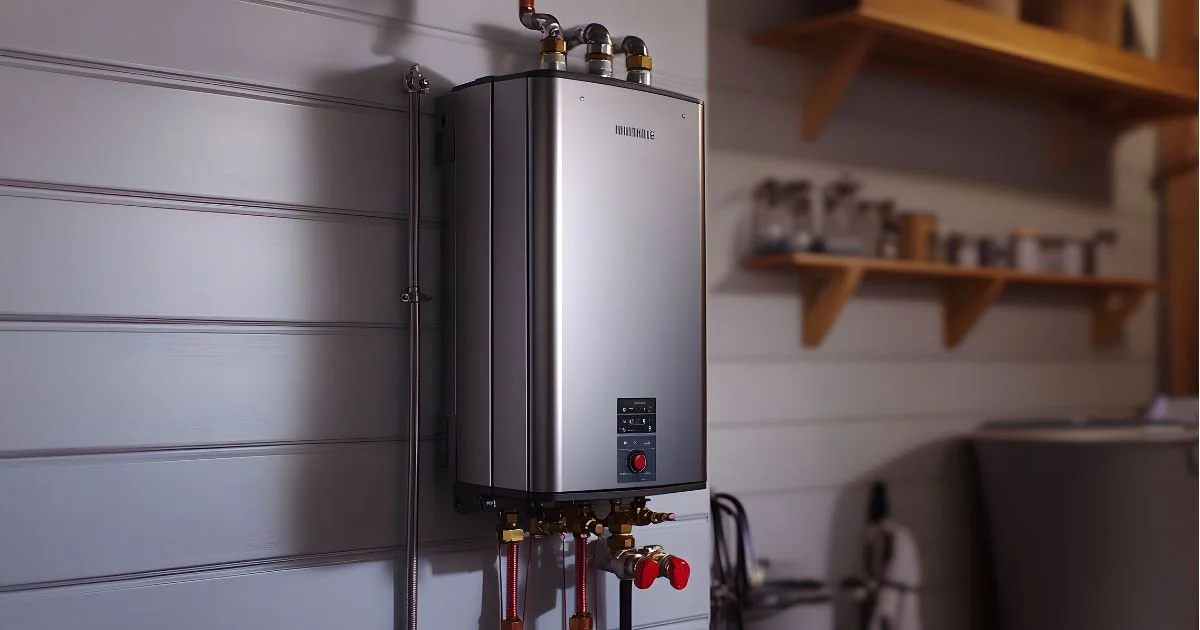
A tankless water heater often costs two to three times more upfront than a standard tank. That sticker shock stops a lot of Kitchener-Waterloo homeowners before they look at the rest of the math. What that number skips is the energy savings stacking up every month, plus a tank system due for replacement sooner. Whether it's worth it depends more on how long you're staying than on the sticker price.
What Tankless Actually Costs Upfront
A gas tankless system typically costs more to install than swapping in another storage tank. That gap comes from the unit itself and the specialized venting a tankless system needs. Sometimes it includes a gas line upgrade the old tank never required.
The size of the gap varies by home. It's worth getting an actual quote rather than assuming a number.
Homeowners comparing quotes side by side sometimes miss that gap. The unit price alone can look close to a tank replacement. Add labour for proper venting and code compliance, and the actual cost of a tankless water heater shows up fast. That number matters, but it's only half the picture.
Retrofitting an older KW home adds its own cost layer. Homes built before 1980 often have plumbing and venting laid out for a tank, not a wall-mounted unit. Rerouting a gas line or vent in that kind of layout takes more labour. A newer build usually allows a simpler swap.
Financing changes that math for a lot of households. Spreading the upfront cost over monthly payments instead of one lump sum makes the higher install price easier to absorb. It's worth asking any contractor what payment options they offer before assuming the sticker price is the only way in.
The Home Renovation Savings program, run by Save on Energy and Enbridge Gas, covers heat pump water heaters. Standard tankless units aren't a listed category, at least not as of this writing. Program details shift over time, so it's worth a quick check either way. A free in-home consultation gets to real numbers faster than digging through rebate fine print that may not even apply.
Where the Energy Savings Come From
Natural Resources Canada tracks energy use for ENERGY STAR certified tankless water heaters. The certified models use 30 percent less energy on average than storage tank types. The gap comes down to how the two systems work. A storage tank keeps forty to fifty gallons hot around the clock.
A tankless unit only fires up when someone turns on a tap. For a household spending $40 to $50 a month on water heating, a 30 percent cut adds up fast. Picture a household paying $45 a month heating water with an older tank. A 30 percent cut brings that down to roughly $31 a month, adding up over a year.
Bigger households with steady hot water demand see less of a proportional gain. The tank wasn't idling as much to begin with either, so there's less waste to eliminate in the first place.
Gas and electric tankless units both skip the standby loss of a tank, but they don't perform identically. Electric units tend to have a lower purchase price and a simpler install. Gas units generally handle higher flow rates better, which matters more in a house with multiple bathrooms running at once.
Cutting the energy bill matters here, and it matters on the heating side too. How to reduce your heating bills without sacrificing comfort covers the furnace version of the same idea. A lot of that logic about matching equipment to actual usage applies to water heating as well.
Installation Details That Matter for Safety
Gas tankless units need venting sized specifically for that model. Whatever setup worked for the old tank usually won't fit. Get that wrong, and the risk isn't just a system that underperforms. It's exhaust gases building up somewhere they shouldn't.
The Technical Standards and Safety Authority has fined contractors over exactly this kind of mistake before. Sending someone uncertified to install a gas appliance instead of a licensed technician carries real consequences. That's not a formality.
TSSA certification isn't optional paperwork either. A licensed gas technician has passed testing on exactly this kind of installation work. That's what separates someone trained to catch a venting or gas line problem from someone who isn't.
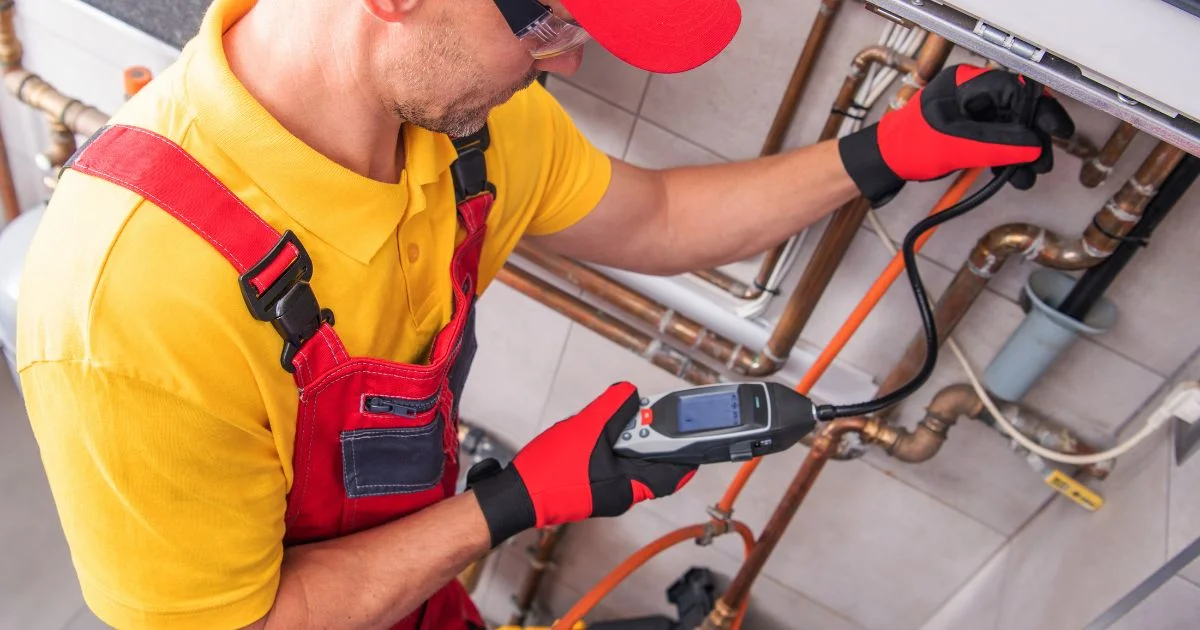
A TSSA-licensed technician checks venting, gas line sizing, and pressure before the unit ever runs. Gas line capacity matters too, since a tankless unit often needs a higher BTU input than the tank it's replacing. A permit and inspection go along with that work in Ontario, and that step catches problems before they turn dangerous, not after. Infiniti's technicians are TSSA-licensed for exactly this kind of installation.
How Ontario Winters Change the Math
Cold incoming water affects how hard a tankless unit works. Groundwater runs colder here in winter than in summer. Colder input water means the unit has to raise the temperature further to hit the same output. That can affect flow rate during peak demand, especially on the coldest mornings.
Most units built for Canadian installations account for this in their sizing specs. It's still worth checking that whatever gets quoted is rated for local winter groundwater temperatures, not a national average. A unit sized for a milder climate can fall short here.
Units installed in unheated spaces need freeze protection built in. A garage or an unfinished crawlspace can drop below freezing on the coldest nights. Water sitting in a tankless system's lines faces the same freeze risk as any exposed pipe. Nobody wants to find that out the hard way in February.
Maintenance and How Long These Systems Last
Natural Resources Canada recommends getting any water heater serviced once every year or two by a qualified professional. Tankless units benefit from this more than tanks do. Mineral scale from hard water builds up on the heat exchanger over time. Left alone, that buildup reduces efficiency and shortens the unit's working life.
Flushing the system clears that scale before it becomes a bigger problem. It's a routine service call, not a major repair. Skipping it for several years is usually what turns a minor maintenance item into an expensive one.
A tankless system that's never been flushed can still work, but it works harder than it should. That often shows up first as a slow drop-in flow rate, well before the unit fails outright.
A well-maintained tankless unit generally outlasts a comparable storage tank. Part of that comes down to standing water. A tank sits full of it around the clock, and standing water is what drives internal corrosion over time.
The exact number of extra years varies by manufacturer and by how hard the water is here. The maintenance habit matters almost as much as the equipment choice itself.
Tankless Water Heater or Tank, What Fits
Choosing a tankless vs tank water heater usually comes down to timing more than anything else. A tank still makes sense for plenty of households.
If the current water heater works fine and isn't near the end of its life, switching early rarely pencils out. The math improves once the old tank is already failing. That's when the cost gap between the two options shrinks.
Signs your electric water heater is nearing the end walks through the failure patterns worth watching for. A lot of those signs apply whether the replacement ends up being another tank or something different.
Households juggling several showers, a dishwasher, and laundry running at once get the most benefit here. A tankless system's endless supply is built for exactly that kind of demand. A single-person household that rarely maxes out its current tank has less to gain from the switch. That's not a knock-on tankless system, just a matter of where the math works.
Space matters too, especially in smaller homes. A tankless unit mounts on the wall and frees up the floor space a tank used to occupy. That's a smaller factor than the cost math, but it adds up for anyone tight on mechanical room space.
Rental versus purchase changes the calculation too. A rented tank carries a predictable monthly fee with no upfront cost. A purchased tankless unit costs more upfront but builds equity in a system that's yours outright.
Sizing It Right for Your Household
A tankless unit sized too small delivers lukewarm water the moment two fixtures run together. Sizing depends on flow rate, measured in gallons per minute, and how many fixtures might run at once on a typical morning.
Natural Resources Canada's own buying guidance backs this up, recommending homeowners consult an experienced plumber to estimate a home's actual hot water demand rather than guess at a number. A free in-home consultation is one way to get that done properly.
Undersized units show up fast. Someone starts a shower, the dishwasher kicks on, and the water temperature drops within seconds. That's usually a sizing problem, not a defective unit.
A plumber or technician who measures actual peak demand gets this right more often than a general size chart does. A general size chart just can't account for how your household uses hot water. For a lot of households, that extra step matters. It's the difference between a decision that pays off and one that just looks good on paper.
If the sizing math feels like guesswork from a spec sheet, that's worth settling before buying anything. Infiniti installs, repairs, and maintains tankless water heaters across Kitchener, Waterloo, Cambridge, and Guelph. Call 519-741-5100 for a free in-home consultation to find out what fits your home.