
What to Do If Your Furnace Is Red Tagged in Ontario
By Alex Habibi ·
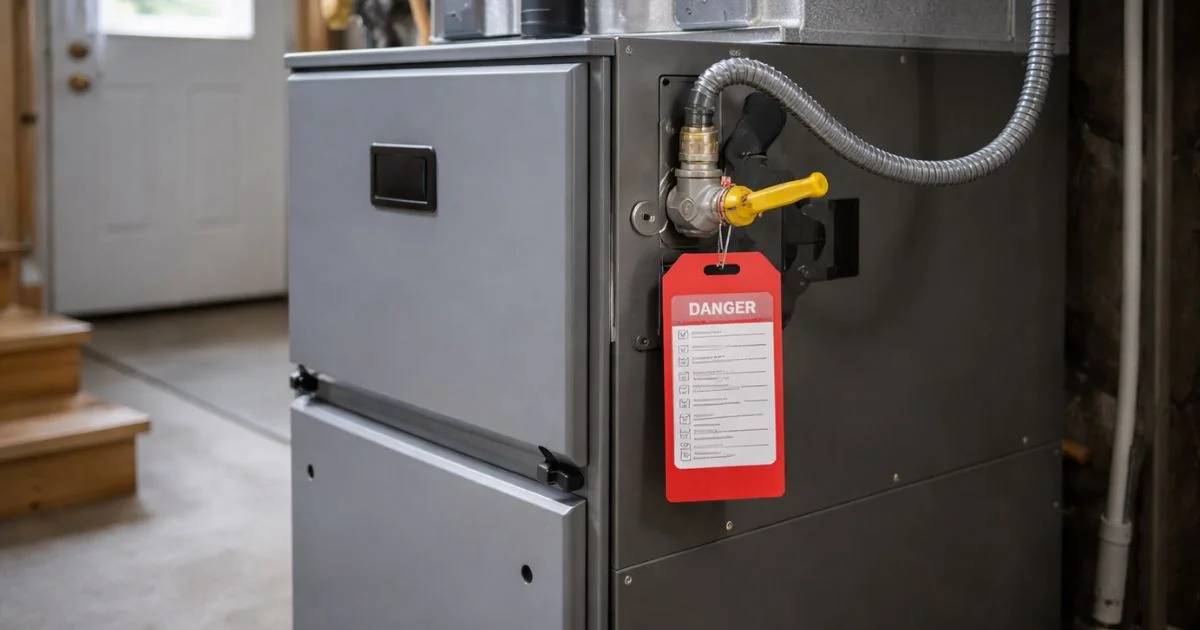
A technician just left your house and there's a red tag hanging on your furnace. Your gas is shut off. Your heat isn't working.
If you've never dealt with this before, you're probably feeling a mix of confused and concerned. You might be wondering if this is as serious as it sounds, what your options are, and how quickly you can get things back to normal.
Let's walk through what's happening and what comes next.
What a Red Tag Really Means
A red tag isn't a suggestion or a warning shot. It means a licensed technician found a safety issue serious enough that your furnace legally can't operate until it's repaired.
The gas gets shut off before the technician leaves. The tag stays on your system until someone fixes the problem and verifies the work meets safety standards.
In Ontario, red tags are issued under the Technical Standards and Safety Act by TSSA-certified technicians. They typically show up for two reasons: carbon monoxide risks or gas leaks. Both are genuinely dangerous, which is why the rules around them are strict and non-negotiable.
It's inconvenient timing—it always is—but the tag exists because something needs to be addressed before anyone runs that furnace again.
The Most Common Reasons Furnaces Get Tagged
Cracked heat exchangers lead the pack. Your heat exchanger is the metal chamber where combustion happens. After years of heating up and cooling down thousands of times, metal can develop cracks.
When that happens, combustion gases that should be venting outside start leaking into the air circulating through your home. Carbon monoxide is part of those gases, and because it has no smell or color, you won't know there's a problem until someone inspects the system. Learn more about carbon monoxide safety from Ontario's Office of the Fire Marshal.
Gas leaks trigger immediate red tags. A loose fitting, a valve that's not sealing properly, corrosion on a connection, these create fire and explosion risks that need to be shut down right away.
Blocked or damaged venting causes more red tags than most people realize. Bird nests in vent pipes, disconnected sections after renovation work, rust holes in older chimneys, when exhaust can't escape properly, it backs up into your living space instead.
Sometimes it's a failed component like a gas valve or pressure switch that's supposed to control combustion safely but isn't working right anymore. Other times it's repair work from years ago that didn't meet code and is now being thoroughly inspected.
Different problems, but they all share one thing: continuing to run the furnace creates real risk.
What Happens After Your Furnace Gets Tagged
The technician shuts off your gas supply, either at the outdoor meter or at the valve near your furnace. They attach the red tag with the date and the specific issue. Then they provide documentation explaining what they found.
That tag stays put until someone completes the repair and a licensed technician confirms everything is safe. You can't just remove it and restore gas service yourself.
In the middle of a Kitchener winter, this obviously creates an urgent situation. Your home starts losing heat, and you need to figure out both temporary warmth and permanent solutions.
You should have clear information about what failed and why it's a concern. If the explanation didn't make sense or felt rushed, it's completely fair to ask for clarification or more detail.
Your Options Moving Forward
You've got three main paths: repair the existing furnace, replace it entirely, or get more information about what's wrong.
Repair makes good sense when the problem is fixable at a reasonable cost and your furnace isn't near the end of its life anyway. Replacing a faulty gas valve on a newer system is pretty straightforward. Replacing a cracked heat exchanger on an old furnace is a different calculation.
Replacement becomes the smarter choice when repair costs start approaching half of what a new system would cost, or when your furnace is old enough that other components will fail soon. Fixing one problem doesn't prevent the next issue from showing up months later.
There's also the efficiency factor. Modern furnaces use considerably less gas to produce the same heat. If you're already looking at a significant expense, a new high-efficiency system will reduce your monthly operating costs going forward. Heat pumps are worth considering too—they're one of the most efficient ways to heat your home and work year-round for both heating and cooling.
If you need help understanding what the red tag means for your specific situation, we can walk you through your options and give you straightforward advice about whether repair or replacement makes more sense.
Only TSSA-certified technicians or licensed gas technicians can legally remove red tags in Ontario, so it's important to work with properly licensed professionals who can get your system back up and running safely.
Keeping Your Home Warm in the Meantime
Once your gas is off, the temperature in your house drops fast in winter. Space heaters work for most situations—focus on heating the rooms you're using, not the whole house. Keep them away from curtains and furniture and never leave them running unattended or overnight.
If you have young kids or elderly family members, staying with family or friends for a night or two might be easier. Close off unused rooms, add extra blankets, and adjust your expectations about indoor temperature until your heat is back.
How Long Repairs Usually Take
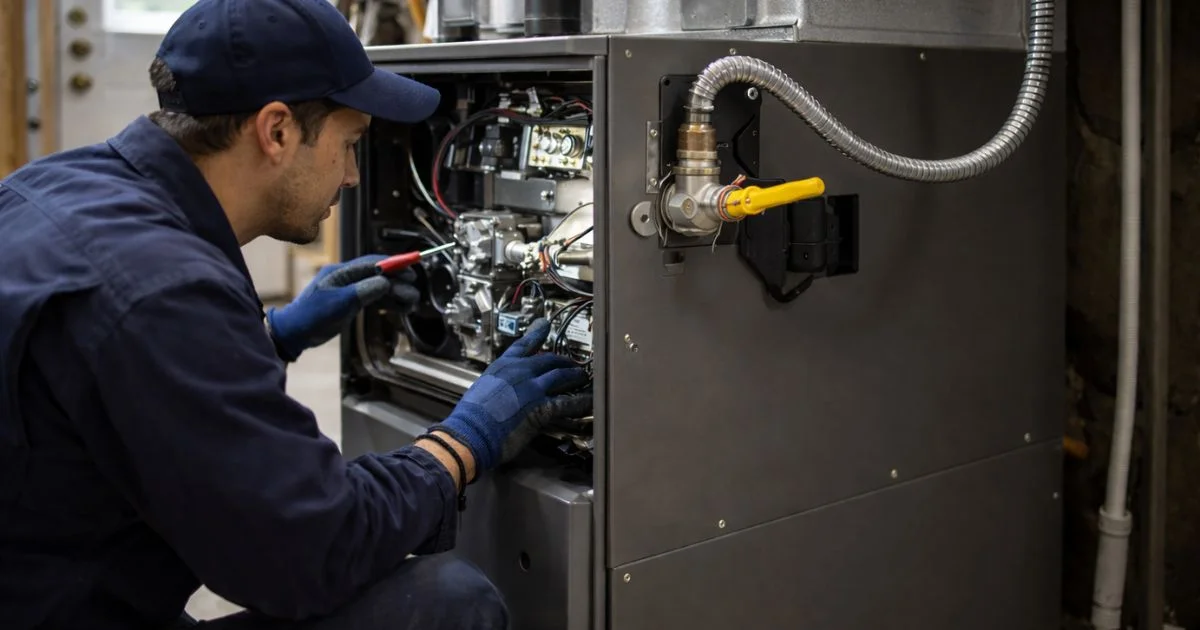
Timeline depends on what needs fixing and whether parts are readily available.
Simple repairs like a gas valve or pressure switch can often happen same-day if the technician has the part on hand. More involved work like heat exchanger replacement or venting repairs takes longer, especially if parts need to be ordered. For older furnace models, you might be waiting several days.
Full furnace replacement typically takes one to two days once equipment is delivered. The installation itself might only be a day's work, but coordinating delivery and scheduling adds time to the process.
We handle these situations regularly across Kitchener and Waterloo. Red tags never seem to happen during mild weather—they show up in January when you need heat most.
What You Can Expect to Pay
Repair costs vary widely based on what failed. Simple valve replacements are less expensive. Heat exchanger replacement on a furnace that's otherwise worth saving costs more, but whether it makes sense depends on the age and condition of your system.
New furnace installations vary based on size, efficiency rating, and how complex your particular installation is.
If cost is a concern right now, financing can spread the expense over time rather than requiring full payment upfront. We work with Financeit to offer payment plans with flexible terms. Dealing with an unexpected furnace failure shouldn't mean choosing between heat and other necessary expenses.
It's also worth checking your homeowner insurance policy. Some policies cover emergency repairs or temporary accommodation costs when heating systems fail.
Preventing Red Tags Down the Road
Most red tag situations develop gradually rather than appearing overnight. Annual furnace inspections catch problems while they're still minor. Heat exchanger cracks don't just suddenly appear—they develop over time, and a thorough inspection spots the early signs.
Changing your furnace filter regularly keeps airflow consistent and reduces strain on components. Restricted airflow makes furnaces work harder and run hotter, which accelerates wear on heat exchangers.
Professional furnace cleaning every couple of years removes buildup that can damage components or interfere with proper venting.
Between inspections, pay attention to changes in how your furnace operates. Strange smells, a pilot light that burns yellow instead of blue, frequent on-off cycling, or unusual sounds all suggest something is developing. If you're noticing any of these warning signs, here's how to tell if your furnace needs cleaning. Addressing problems early usually means simpler, less expensive fixes.
Getting Your Heat Back Safely
Once repairs are complete, a licensed professional needs to inspect the work and confirm everything meets safety standards. They'll test system operation, verify proper venting, and check for any carbon monoxide issues.
Only after that inspection can the red tag be removed and your gas service restored.
This step matters. The entire point of red tagging is preventing dangerous heating systems from operating. Making sure the repair actually resolved the safety issue is more important than saving an hour or two.
When You Need Help Now
Red tags are stressful, particularly in the middle of winter when you need your heat working.
If your furnace has been tagged and you're trying to figure out your next steps, we can assess your situation and help you get back to comfortable temperatures as quickly and safely as possible.
Our team handles furnace emergencies throughout Kitchener, Waterloo, Cambridge, and Guelph. We'll walk you through what happened with your furnace, give you honest advice about whether repair or replacement makes sense, and help you find a solution that fits your timeline and budget.
Call us at 519-741-5100 or reach out for a consultation. Let's get your heat back on the right way.